
Booking and payments
Tours, packages and deposits booked and paid online, with availability that stays accurate.
Bookings, itineraries and traveller communication in one place, with AI handling the repetitive parts.
A typical first version
Same building blocks as Thomas Boivin (Boivin Coaching) and StoreFilter
What I build
Tours, packages and deposits booked and paid online, with availability that stays accurate.
Branded day-by-day itineraries built from templates and booking details, shared as a link.
Travellers see their trip, documents and updates in one place, on any device.
Enquiries, quotes and follow-ups tracked from first message to booking.
Suppliers, guides and allocations managed in one internal tool.
Bookings, margins and seasonality in one dashboard.
AI, right now
Travel businesses now compete with consumer apps on experience: travellers expect real-time updates and a polished, branded trip. 2026 guides describe AI taking over document parsing, content and first-line questions, while bookings and payments still need a human decision.
I haven’t built for a travel company yet, so I won’t pretend otherwise. What I bring is the same building blocks I’ve shipped for real clients, shown below.
Questions about trips, visas and policies answered from your own information, with a hand-off to a person.
Confirmations parsed into itinerary items automatically, checked by your team.
Descriptions and day plans drafted from your templates, then edited by you.
Enquiries sorted and summarised, so your team replies first to the ones ready to book.
Similar work
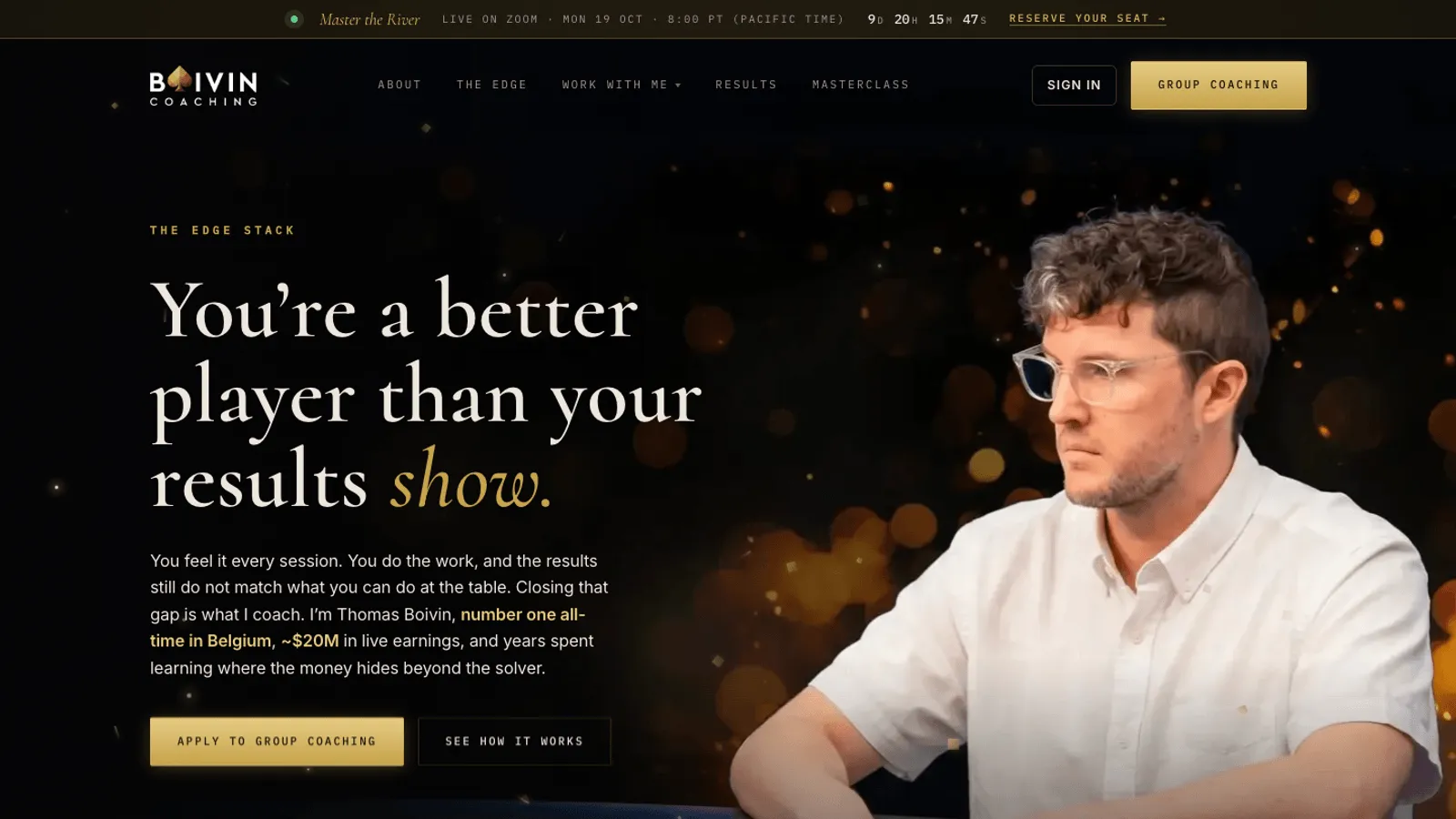
MVP and SaaS development
Sales site, application funnel, Stripe payments, member dashboards, referrals and a full admin for Thomas Boivin's poker coaching business. Built in Replit.
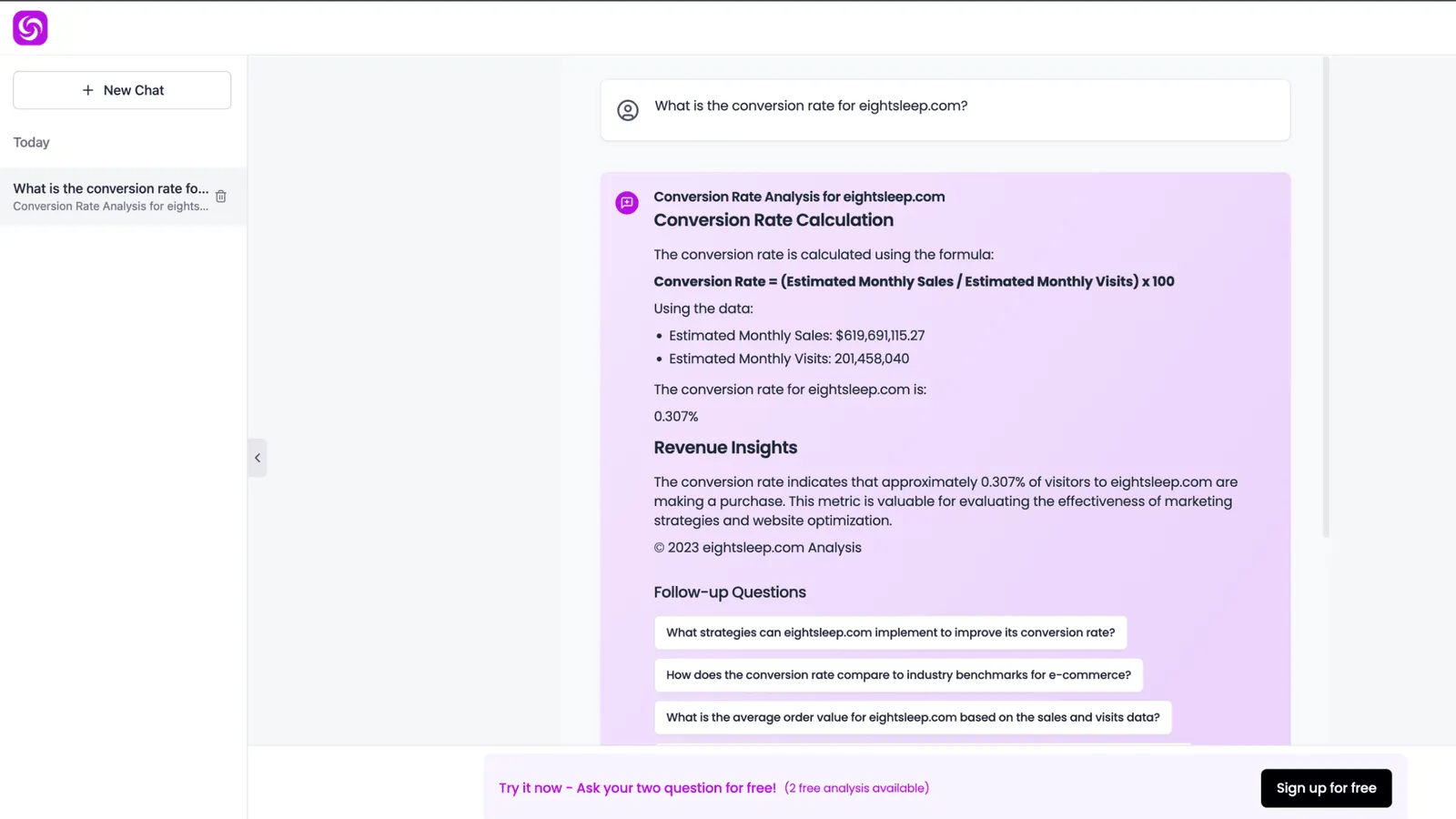
RAG and AI chatbots
An AI analytics chat for e-commerce, built with Next.js, Claude Code, Supabase, pgvector and GPT-4. Ask about any Shopify store, get answers with charts.
Call
A 30-minute call about what you need, who it is for, and what success looks like.
Scope
A written scope: features, architecture, timeline, price range and risks.
Build
Working increments you can click through, not a big reveal at the end.
Ship
Live on your domain and hosting, with a handover so you know how it runs.
More in how I work, or see mvp and saas development.
Questions
Where the supplier offers an API, yes. Which connections make sense is decided in the scope, based on how you book today.
If a platform fits, use it. Custom software suits operators with their own products, unusual booking rules or a traveller experience they want to own.
Yes. Portals and itineraries are built mobile-first in the browser, with nothing to install.
A focused first version is a fixed-price project, scoped and priced after a 30-minute call (MVPs start from $3,000). Ongoing work can run on a monthly retainer.
A 30-minute call is enough to tell whether it fits, what the first version should include, and how long it takes.
 Prayag Dalal · Top Rated on Upwork, 34 jobs completed