
Online rental applications
Applicants apply on their phone, in more than one language, with document upload and a status your team can track.
Applications, tenants, maintenance and owners in one system, instead of PDFs, inboxes and spreadsheets.
A typical first version
Same building blocks as Thomas Boivin (Boivin Coaching) and IST Networks
What I build
Applicants apply on their phone, in more than one language, with document upload and a status your team can track.
Tenants pay rent, report issues with photos and message you, all in one place.
Requests routed to the right contractor, tracked to completion, with costs recorded against each property.
Income, costs and occupancy per property, ready to share with owners.
Enquiries, viewings and follow-ups for each listing, so nobody is left waiting.
Leases, inspections and certificates stored with each property and tenant, with renewal reminders.
AI, right now
Property managers and landlords juggle applications, rent, maintenance and owners, often across downloadable PDFs, email and spreadsheets. 2026 buyer guides list online applications, tenant portals and maintenance tracking as must-haves, with AI screening and maintenance coordination becoming the new expectation.
I haven’t built for a property management company yet, so I won’t pretend otherwise. What I bring is the same building blocks I’ve shipped for real clients, shown below.
AI summarises applications and checks documents are complete; your team makes the decision.
Requests with photos sorted by urgency and type and suggested to the right contractor.
Common tenant questions answered from your own policies and lease terms, with a hand-off to a person.
Property descriptions drafted from details and photos, then edited by you.
Similar work

MVP and SaaS development
Sales site, application funnel, Stripe payments, member dashboards, referrals and a full admin for Thomas Boivin's poker coaching business. Built in Replit.
MVP and SaaS development
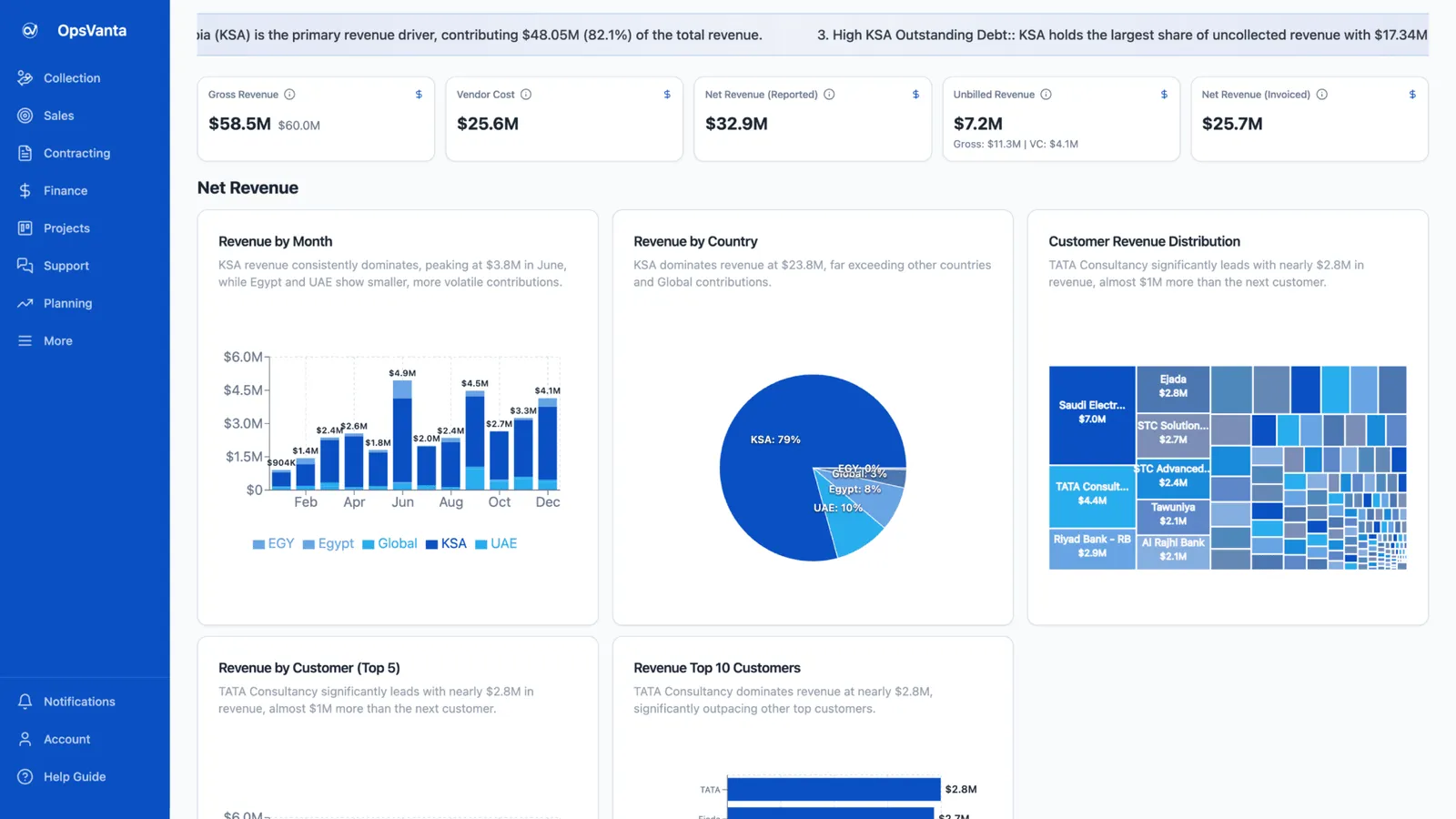
An internal ERP built solo with Lovable and Claude Code on Lovable Cloud, running sales, projects, tickets, collections, finance and AI insights in one place.
Call
A 30-minute call about what you need, who it is for, and what success looks like.
Scope
A written scope: features, architecture, timeline, price range and risks.
Build
Working increments you can click through, not a big reveal at the end.
Ship
Live on your domain and hosting, with a handover so you know how it runs.
More in how I work, or see internal tools.
Questions
If they fit, use them. Custom software helps when you need something they don't do: your own application flow, a mix of residential and commercial, reporting for specific owners, or tools that connect the systems you already use.
Yes. Forms, emails and the portal can be offered in more than one language.
Usually, through the accounting tool's API or exports. That's decided in the scope.
A focused first version is a fixed-price project, scoped and priced after a 30-minute call (MVPs start from $3,000). Ongoing work can run on a monthly retainer.
A 30-minute call is enough to tell whether it fits, what the first version should include, and how long it takes.
 Prayag Dalal · Top Rated on Upwork, 34 jobs completed