
Case study · MVP and SaaS development
From a printed ledger to a multi-tenant ESG platform: building Simplii at 7Centre
As founding engineer at 7Centre, I built a Flutter app that scans their printed Sustainability Ledger and worked on Simplii, their multi-tenant ESG platform.
- Client
- 7Centre (Toronto)
- Role
- Founding engineer
- Timeline
- – (16 months)
- Stack
7Centre is a sustainability consulting and software company based in Toronto, with a presence in the UAE. It helps organisations keep their sustainability data in order and report it against IFRS S1 and S2, GRI and SASB. Its platform, Simplii, keeps one record per company that rolls up from daily entries to the annual report.
I joined in March 2024 as a founding engineer, first to build the mobile app, then across the Simplii platform, and stayed until June 2025.
The problem
7Centre’s clients record their sustainability data in a printed Sustainability Ledger: daily, weekly and monthly pages plus topic pages such as governance. Paper works well for the people doing the recording. But every number on those pages has to end up in the platform where it is reported, and retyping it by hand is slow and invites mistakes.
The platform itself had two very different users to serve:
- Companies (tenants), keeping their own ledgers and working through the reporting structure
- Consultants, looking after many client companies at once and needing to see where each one stands
What I built
1. The Sustainability Ledger app
A Flutter app, with Firebase, for capturing ledger pages with the phone camera. It has separate modes for the ways a ledger gets photographed: a QR code mode, a notebook mode that splits an open ledger into its two pages, a single-page mode and a document mode. Captured pages can be resized to standard paper sizes and then managed like files: shared, exported, watermarked, signed, split, merged, protected, compressed or printed.
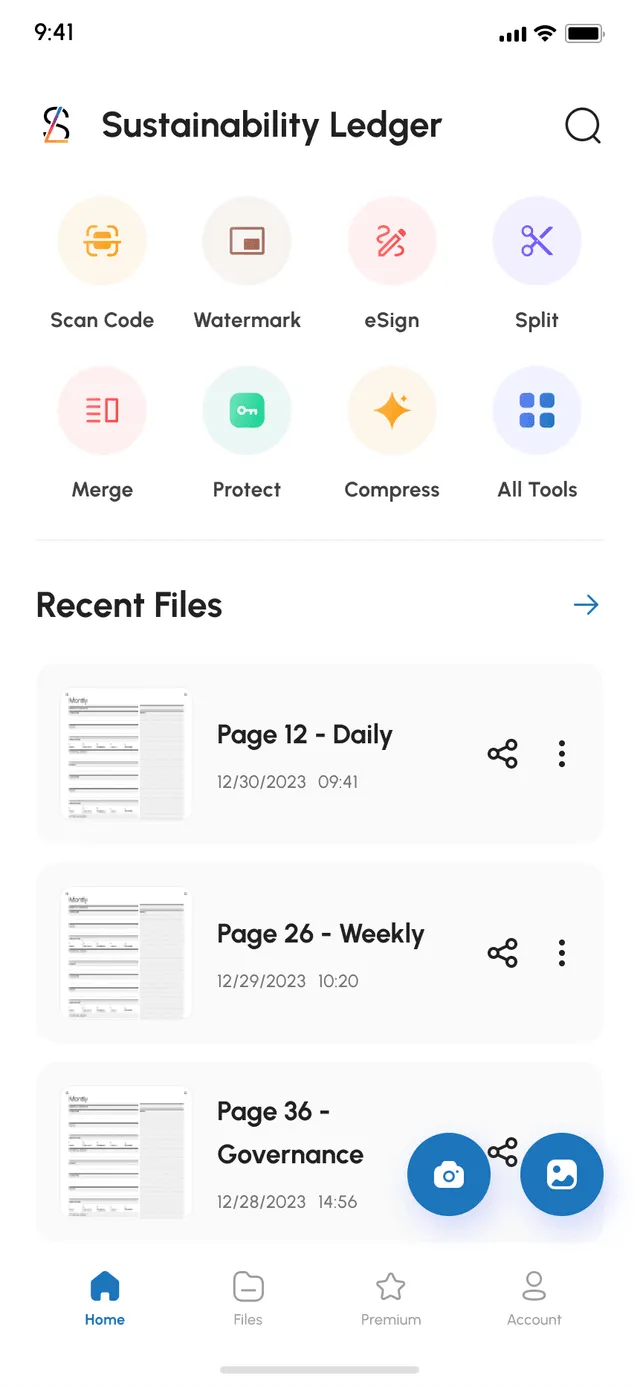
Home: tools and recent ledger pages 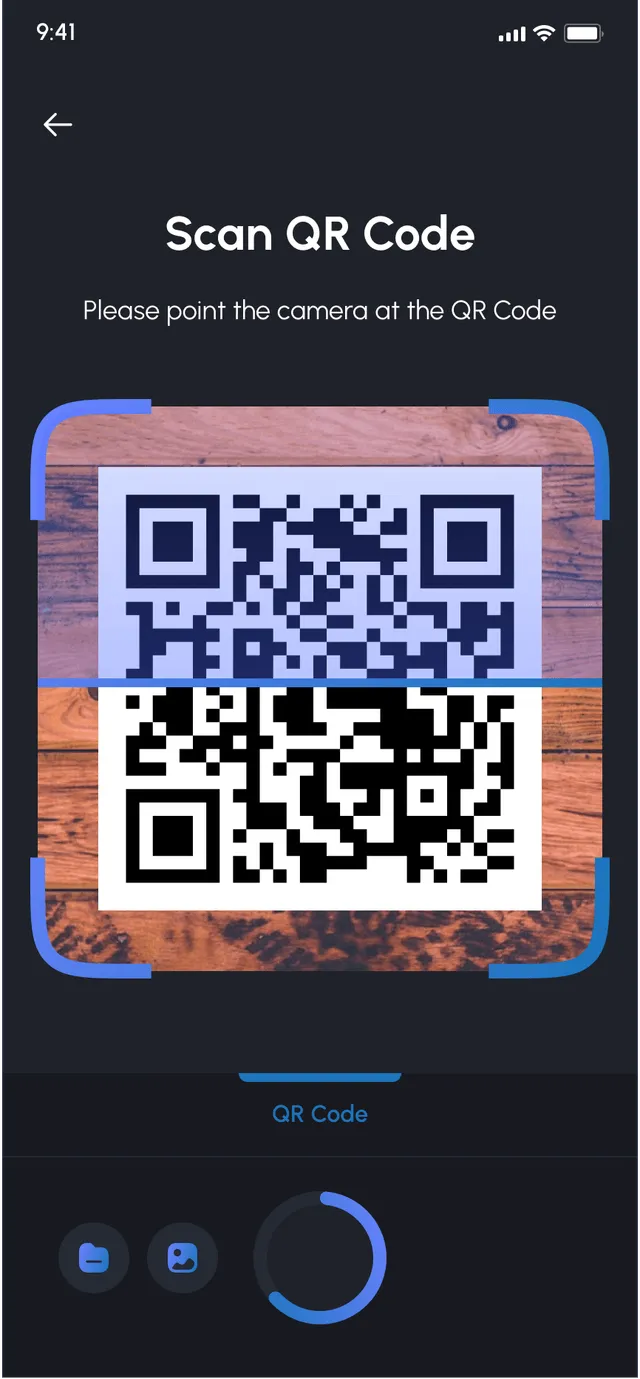
QR code mode 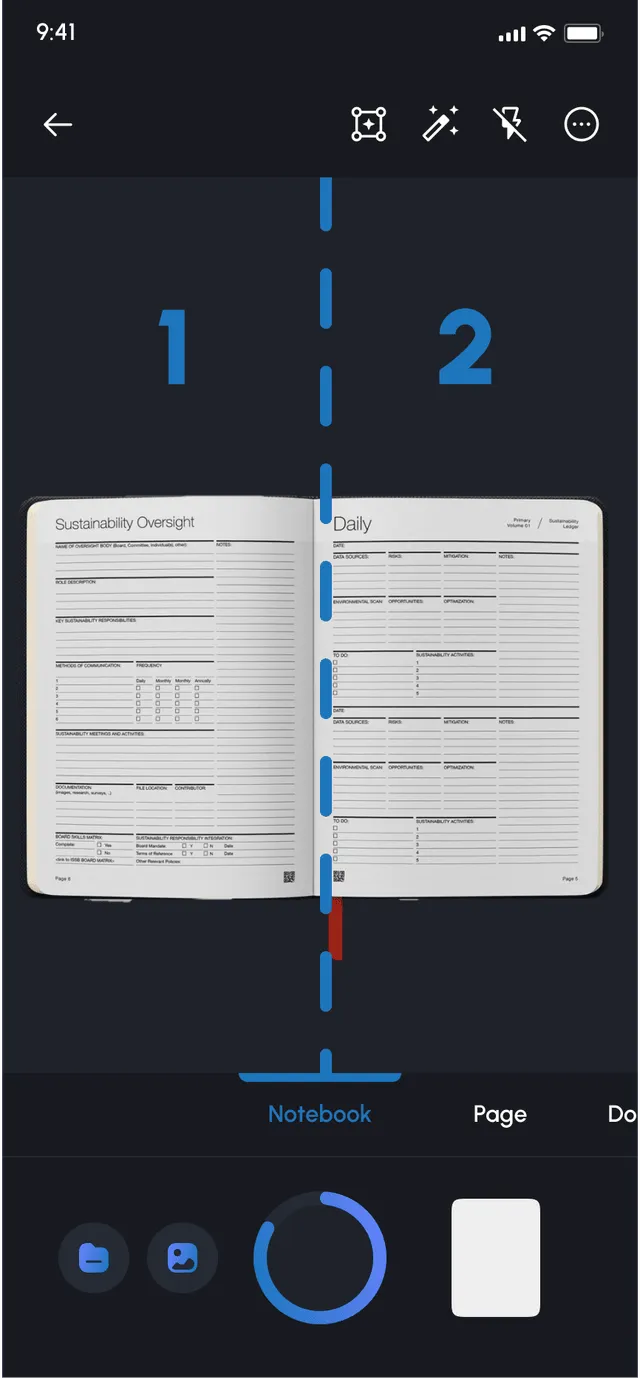
Notebook mode: one photo, two pages 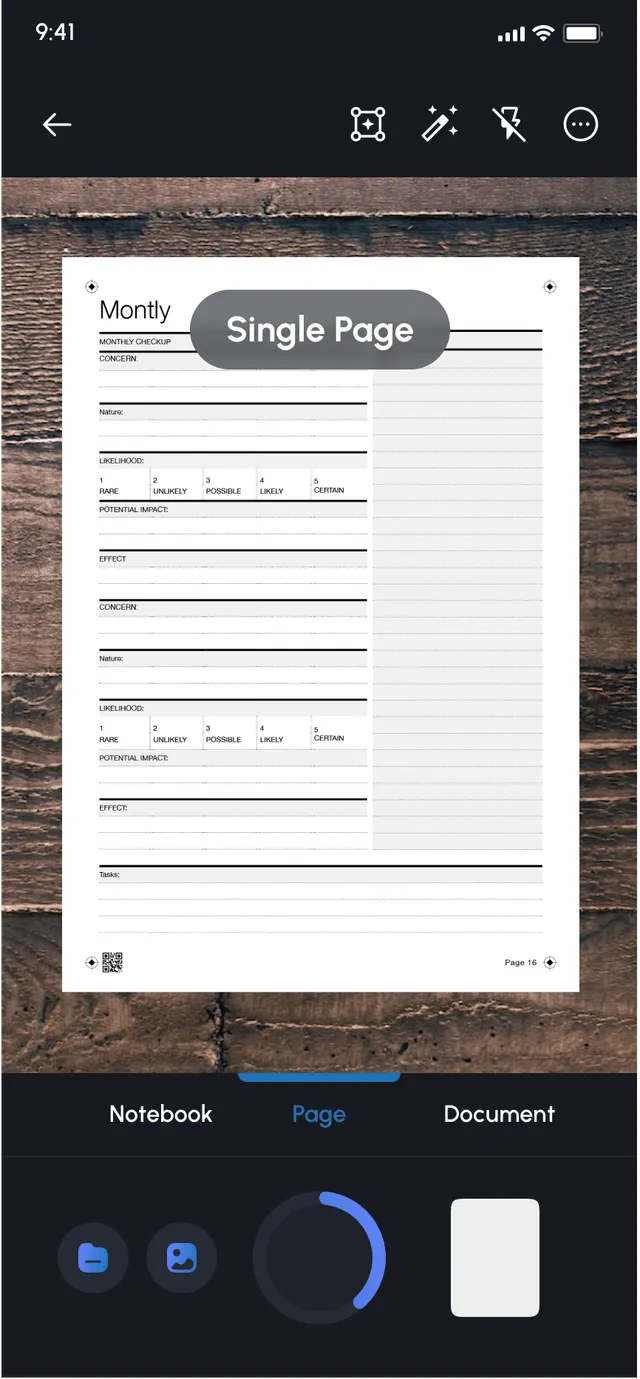
Single page mode 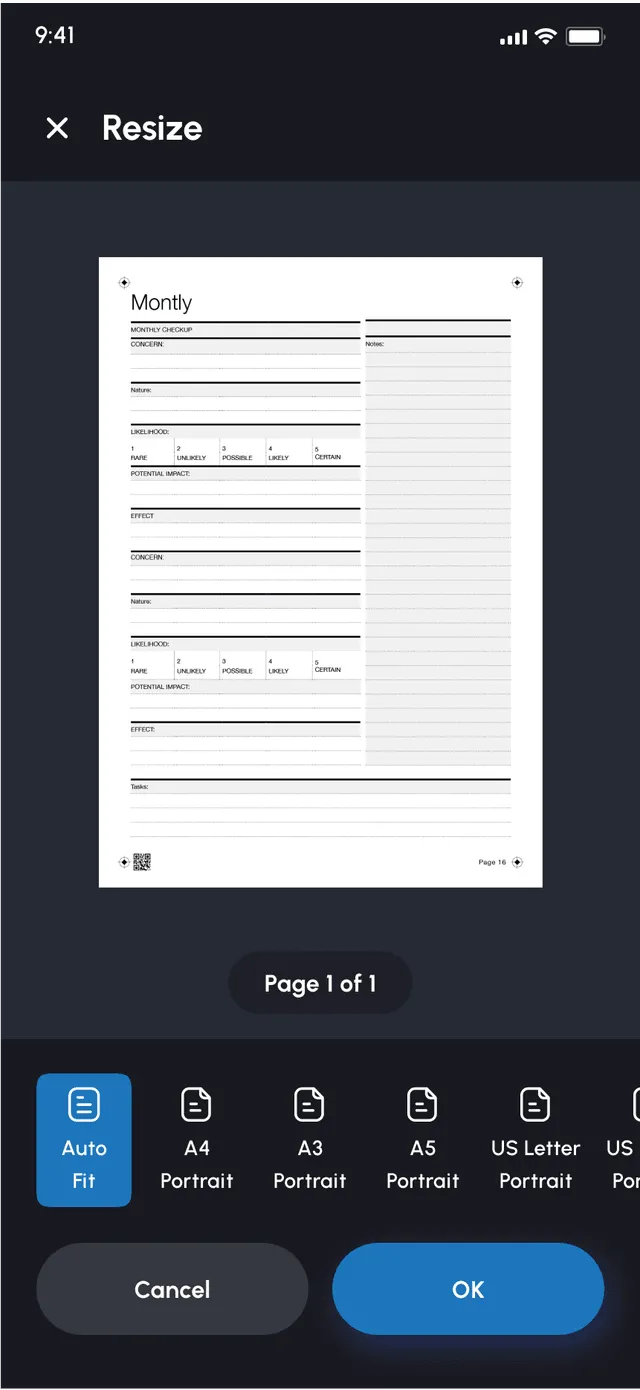
Resize to a standard paper size 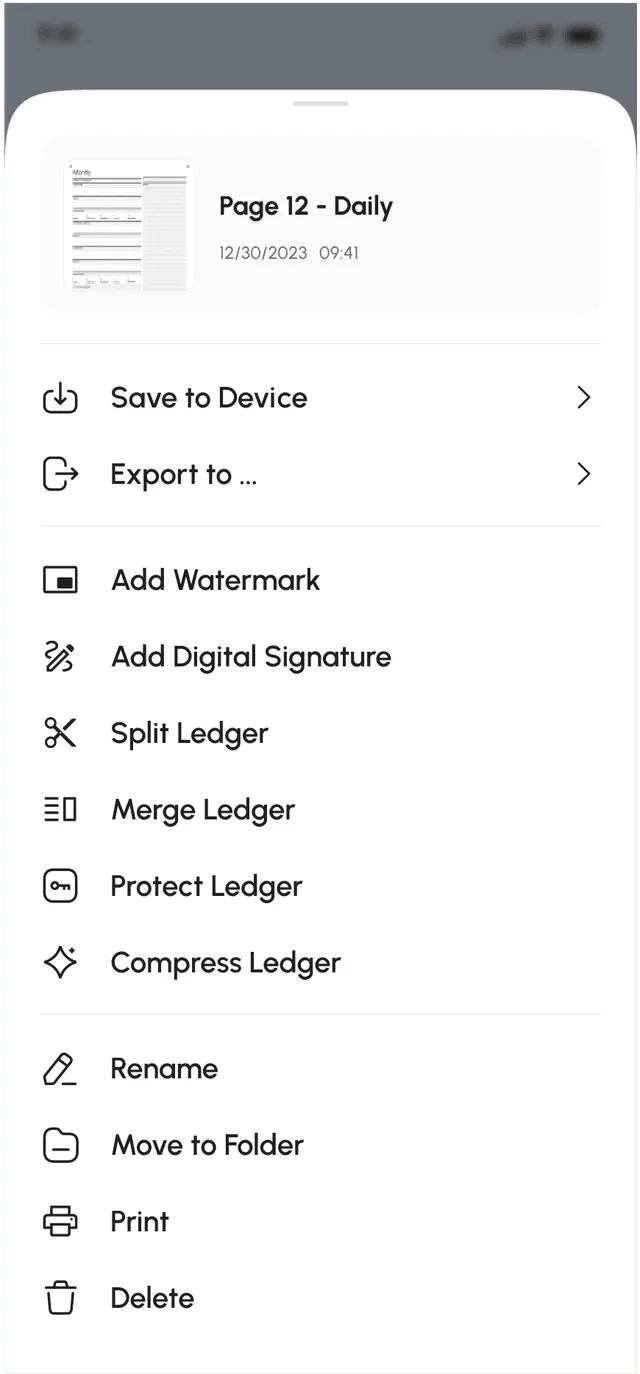
Everything you can do with a page
2. From a photo to data
Scanning is only useful if the numbers arrive in the platform. Each scanned page goes through Google Cloud Vision for text recognition, and the result is sent to the server, where it lands in the client’s ledger on Simplii.
Printed ledger page
Daily, weekly or monthly page filled in by hand
Scanned in the app
Flutter app, notebook or single-page mode
Google Cloud Vision
OCR reads the text on the page
Server
Laravel back end receives the result
Simplii workbook
Data in the client’s ledger, ready to report
3. Simplii, the web platform
I worked on Simplii’s web platform, built with Laravel and React, across both sides of the product.
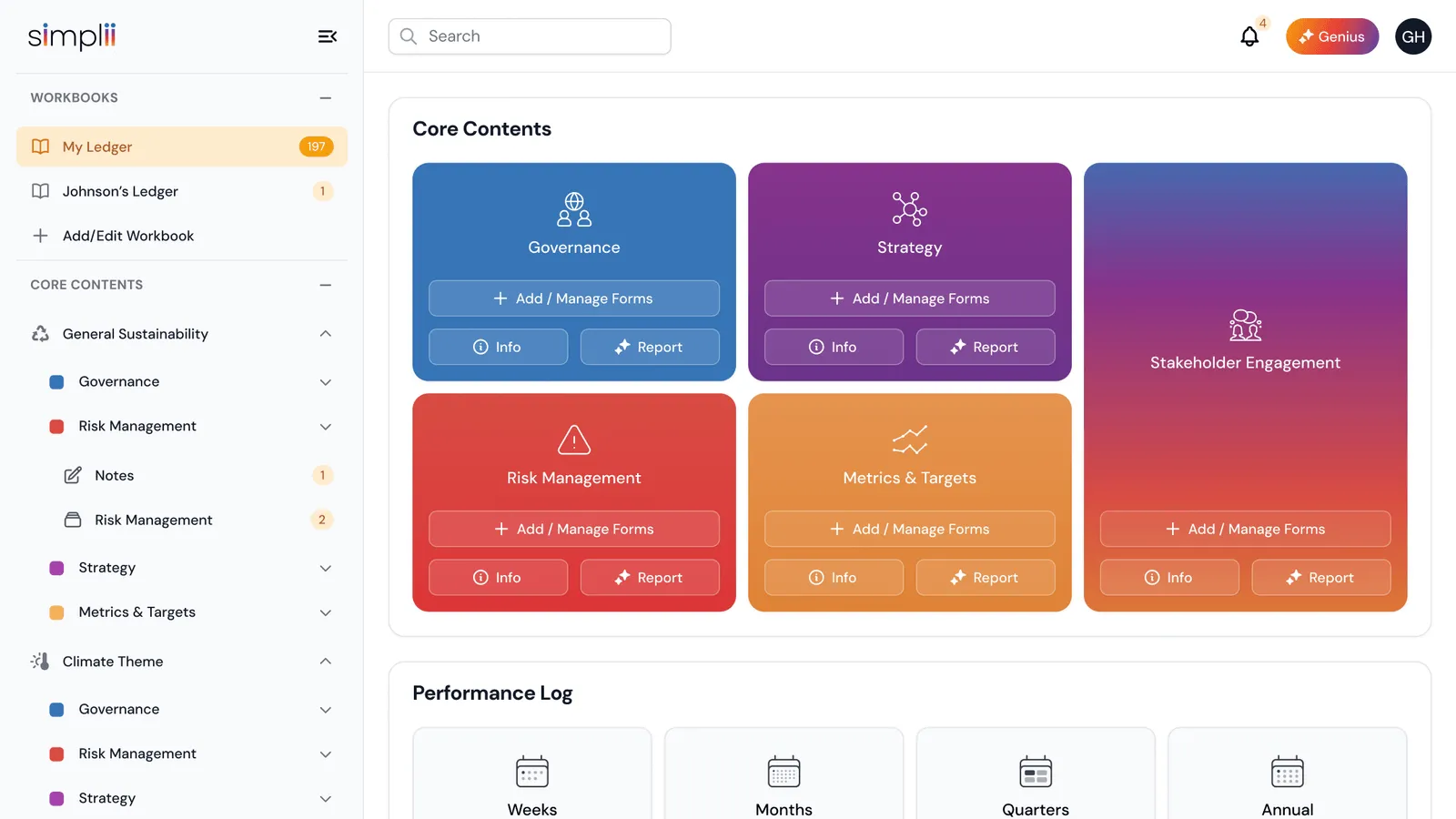
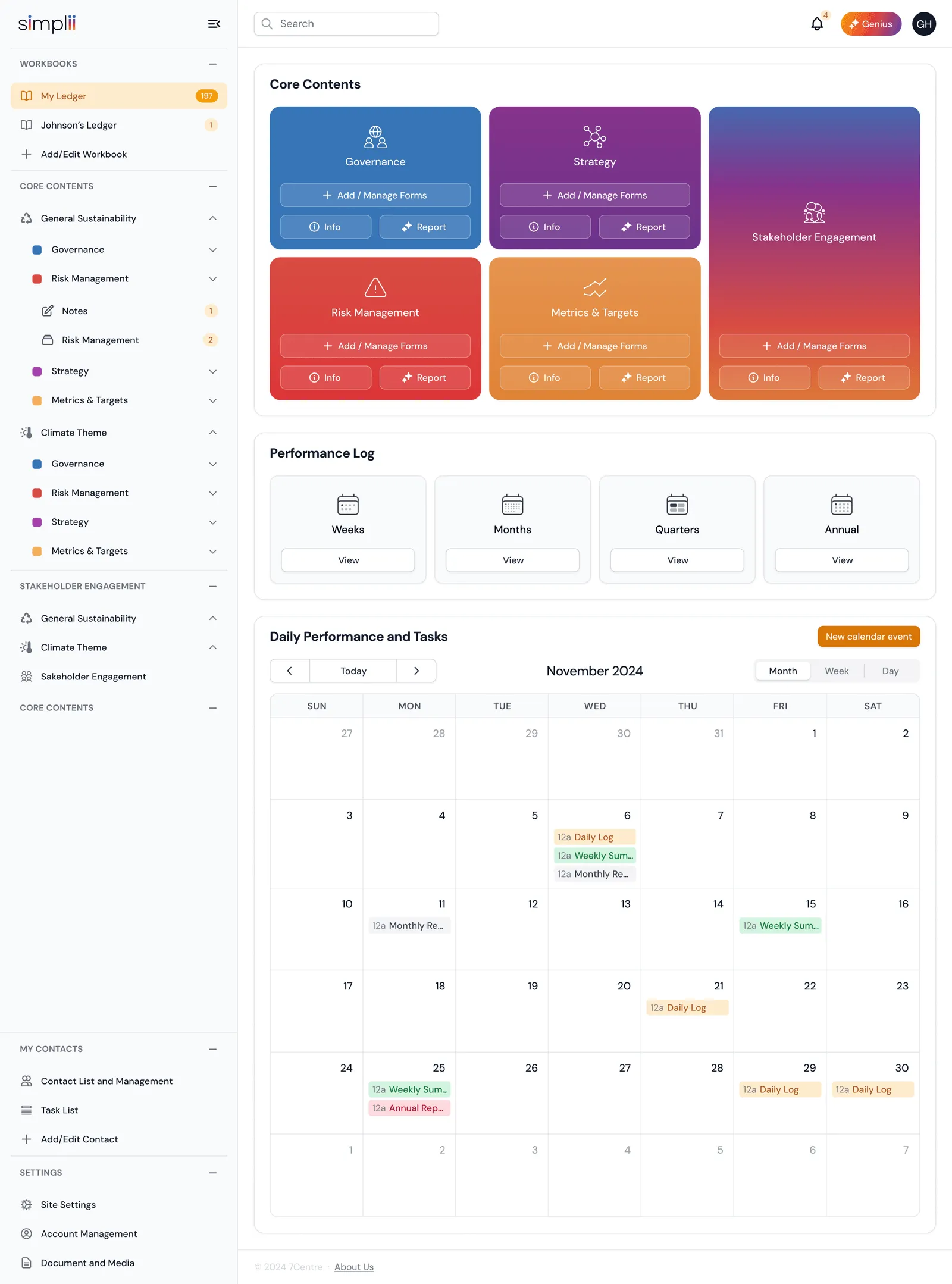
The tenant workspace. Each company works in its own workbooks. The core content follows the four pillars of IFRS S1 and S2, Governance, Strategy, Risk Management, and Metrics and Targets, plus Stakeholder Engagement, each with its forms, guidance and reports, under general sustainability and climate themes. A performance log groups entries by week, month, quarter and year, and a calendar keeps daily logs, weekly summaries and monthly and annual reports on schedule.
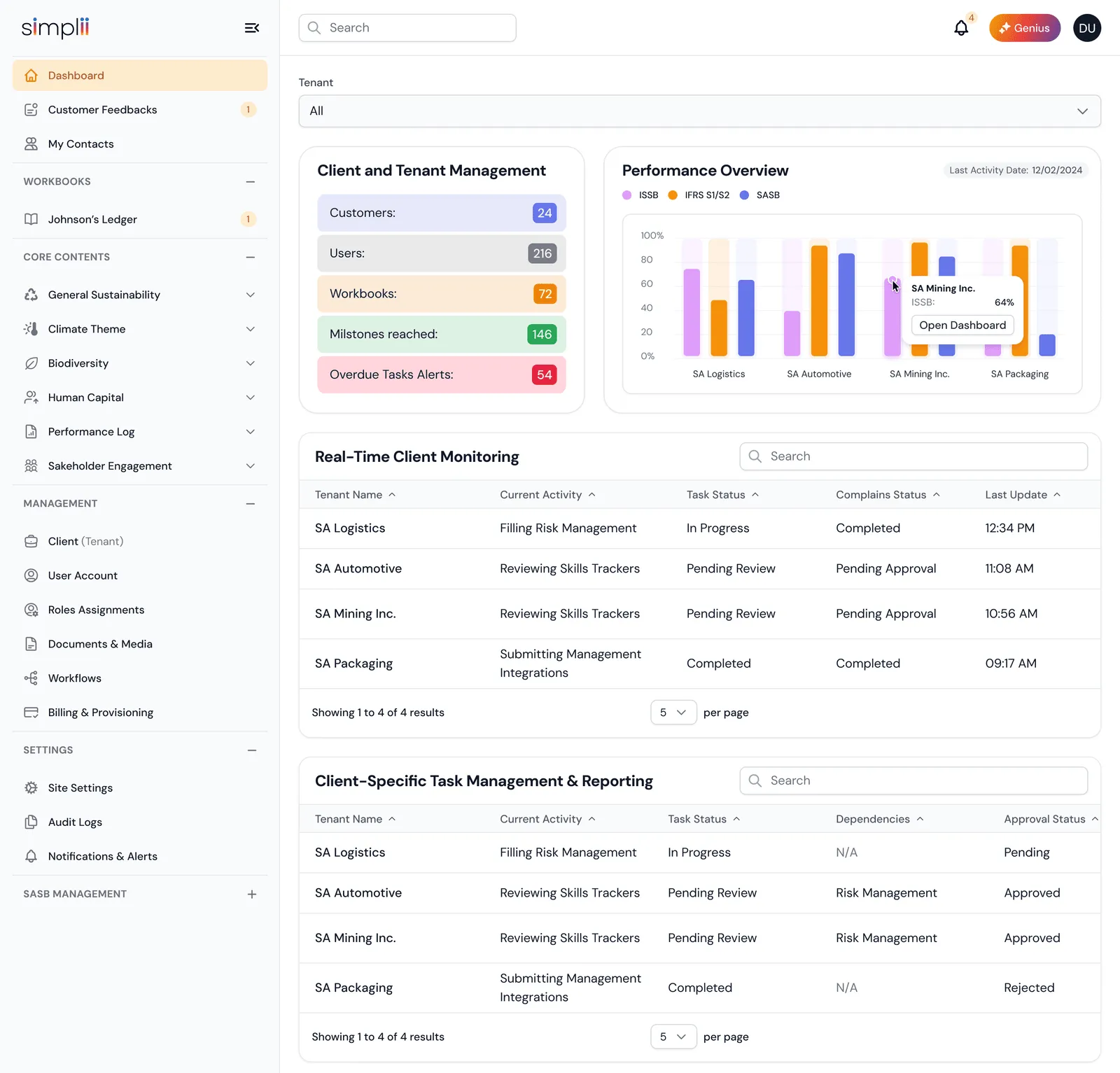
The consultant dashboard. Consultants see every client in one place: counts of customers, users, workbooks, milestones reached and overdue tasks; each client’s progress against ISSB, IFRS S1 and S2, and SASB; what each client is working on right now; and a task board with dependencies and approval status.
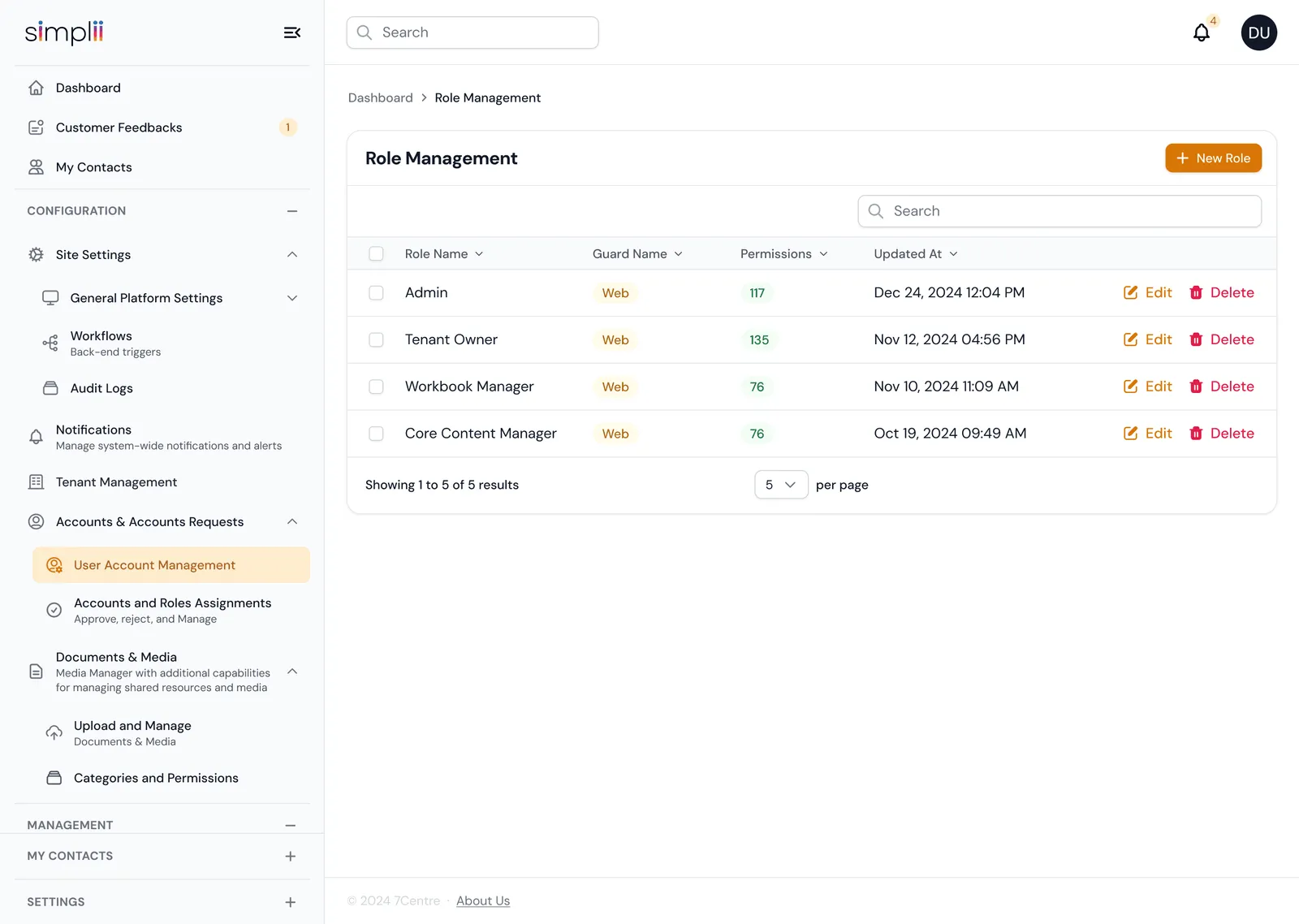
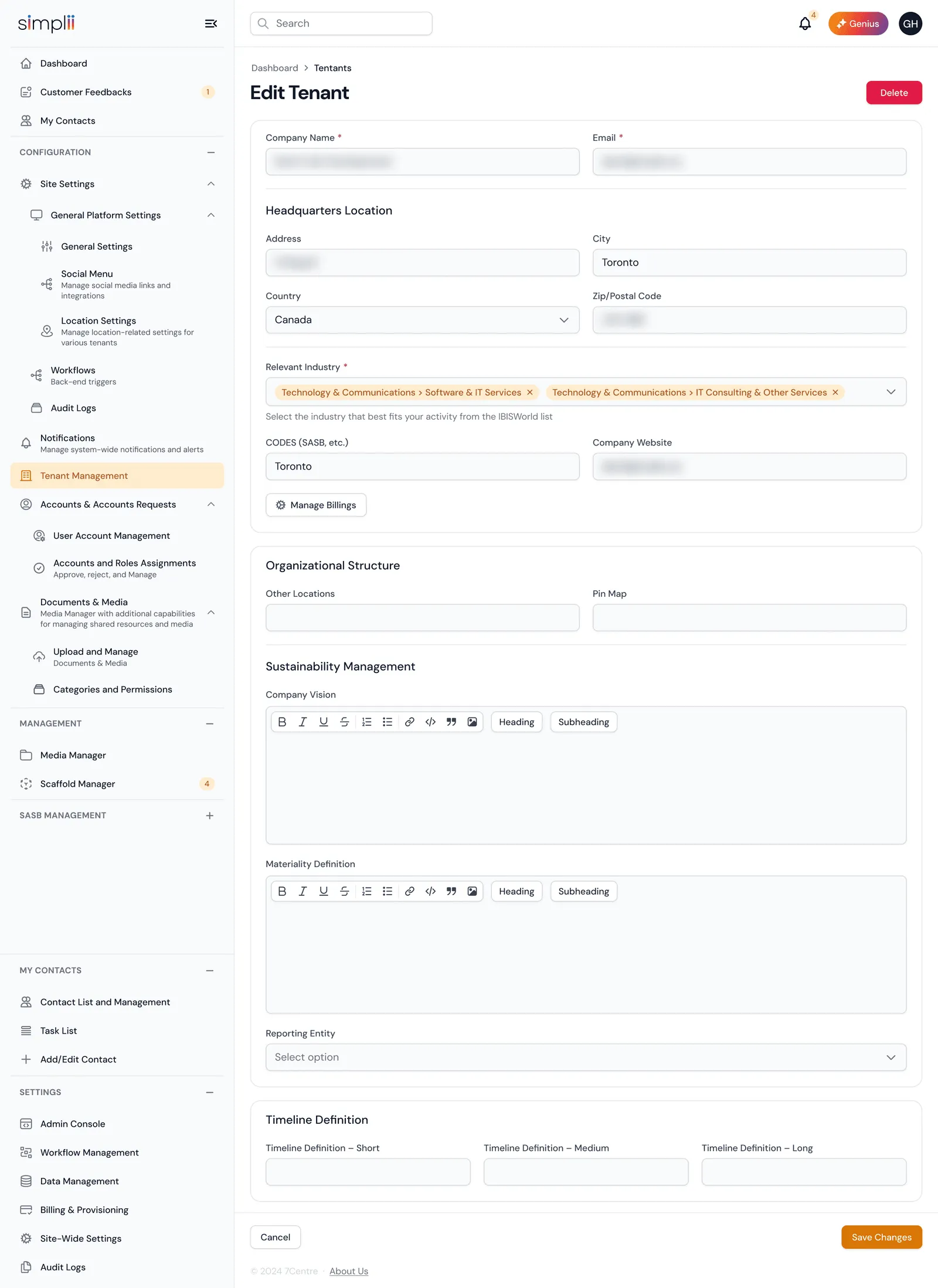
Administration. Behind both sides sits the part every B2B product needs: roles and permissions (admin, tenant owner, workbook manager, core content manager), tenant profiles with industry classification, SASB codes, company vision, materiality definition and reporting timelines, plus workflows, audit logs, documents and media, and billing.
Build log
Joined as founding engineer
My first job was the Sustainability Ledger app: capturing printed ledger pages reliably with a phone camera.
Scan to data
Connected the app to Google Cloud Vision and the server, so a scanned page turns into data in Simplii instead of a photo someone has to retype.
The Simplii platform
Worked across the web platform: the tenant workspace built around IFRS S1 and S2, the consultant dashboard, and the roles, tenant profiles and administration behind them.
Wrapped up
Finished my engagement and handed over.
What this project shows
- Turning messy real-world input into structured data. Paper, photos and OCR into records a report can rely on. The same skill sits behind document AI and RAG systems.
- Multi-tenant SaaS done properly. Separate workspaces per company, a cross-client view for consultants, roles and permissions, audit logs and billing: the parts a B2B product needs before its first paying customer.
- One system across app, server and web. The phone app, the OCR step, the back end and two dashboards built to work together.
If you’re building a B2B SaaS, a data-capture app or a reporting tool, this is the kind of work I do. See MVP and SaaS development.
